Real results. Real savings. Explore how top manufacturing, warehousing, and logistics units are converting empty rooftops into high-yield power plants and stabilizing their tariff structures.
Industry Success Gallery
Explore custom systems engineered to handle heavy startup currents, sensitive laboratory environments, and empty roofs.
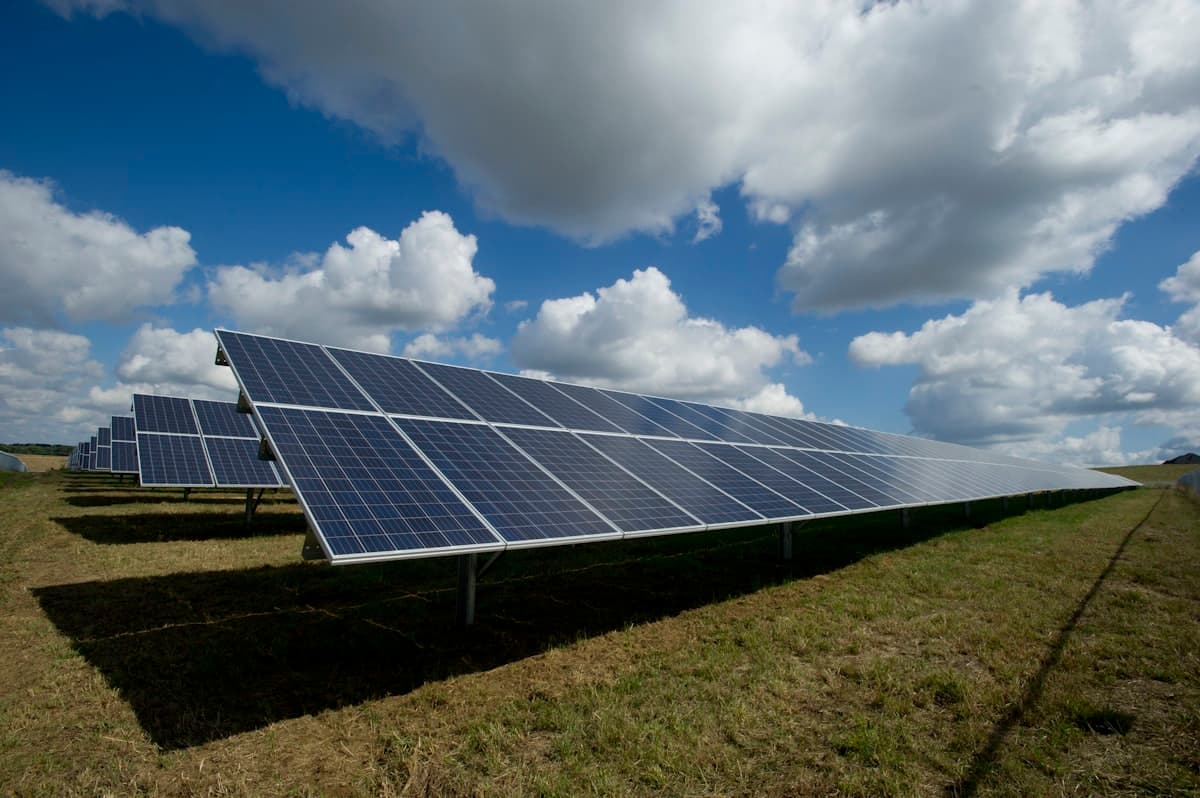
How a Textile Unit Reduced Electricity Cost by ₹62 Lakh/Year
A major textile spinning unit in Ahmedabad, Gujarat, faced escalating electricity bills due to round-the-clock operations and high daytime electricity tariffs. As an HT (High Tension) consumer, power costs accounted for over 35% of their total production overheads, severely squeezing operational margins in a highly competitive textile market. High daytime heat loads and continuous machinery operations demanded a stable and cost-effective power alternative.

How a Pharma Plant Stabilized Energy Costs for 25 Years
A pharmaceutical manufacturing facility in Baddi required highly stable, uninterrupted power to support sensitive laboratory equipment, sterile HVAC systems, and continuous drug formulation lines. Fluctuations or voltage drops could ruin multi-million rupee batches. At the same time, international buyers demanded compliance with strict ESG (Environmental, Social, and Governance) targets, making carbon reduction a business priority rather than a choice.

How a Plastic Unit Reduced Production Energy Cost by 70%
A plastic manufacturing unit in Pune running high-tonnage injection molding machinery suffered from extremely volatile electrical loads. Injection molding machines draw high starting currents and consume massive amounts of power during heating cycles, leading to high maximum demand charges from the utility. This high production energy cost directly ate into their profit margins on finished plastic goods.
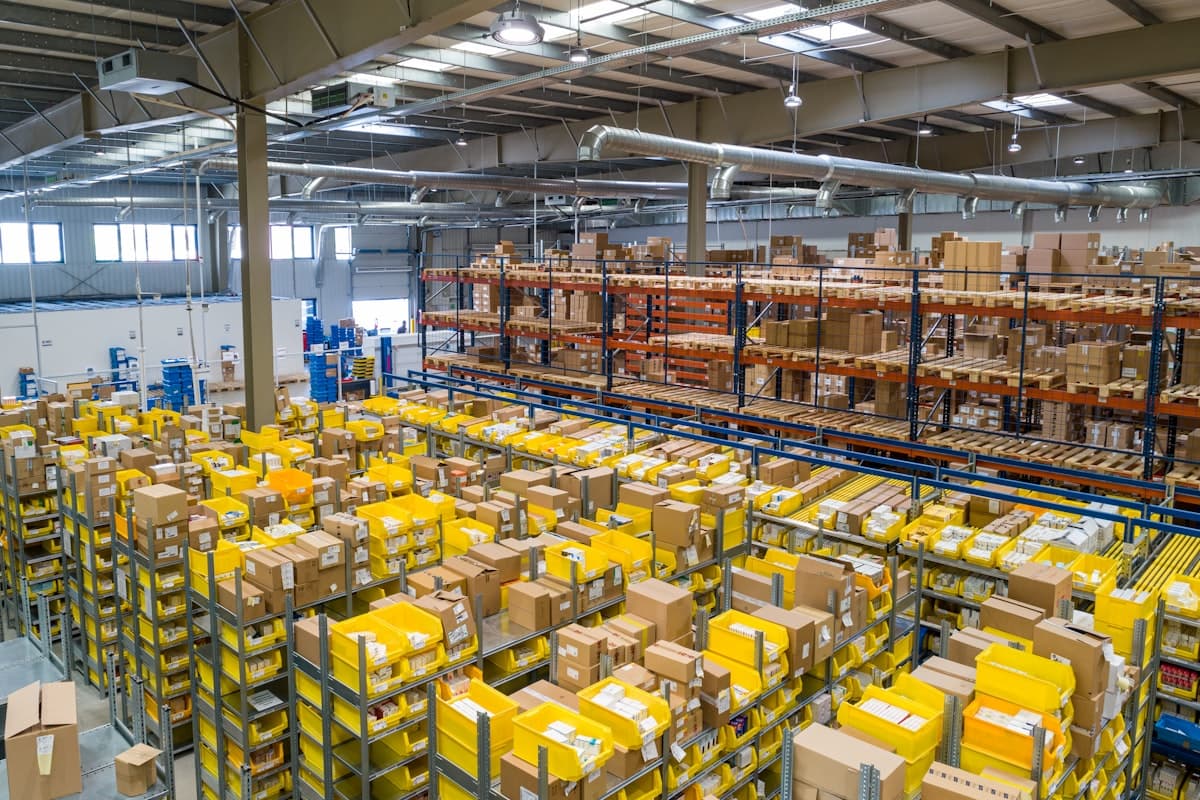
How a Warehouse Converted Empty Roof into a Power Plant
A major logistics warehouse in Chennai had hundreds of thousands of square feet of empty metal roofs doing nothing but absorbing heat. While the facility's interior daytime energy consumption for sorting and simple lighting was moderate, the building owner wanted to monetize this massive idle asset and hedge against future commercial electricity rate increases while selling excess power to the grid.
How a Cold Storage Facility Reduced Monthly Power Burden
A cold storage facility in Indore, Madhya Pradesh, faced crippling power bills due to continuous refrigeration compressor loads running 24/7. Because cold storages must keep agricultural products at sub-zero temperatures, electricity represents their largest single operating cost. Grid tariff hikes directly threatened the viability of the storage business, especially during the hot summer months.
Reduce Your Operational Expenses by Up to 70%
Our expert engineers specialize in mapping solar plants to complex industrial machinery loads, securing net-metering approvals, and maximizing your tax write-offs.