
Solar Panel for Home Cost in India 2025: Price, Government Subsidy & Complete Buying Guide
Looking for the price of solar panel for home, solar panel for home cost in India, or wondering whether rooftop solar is worth the investment in 2025?
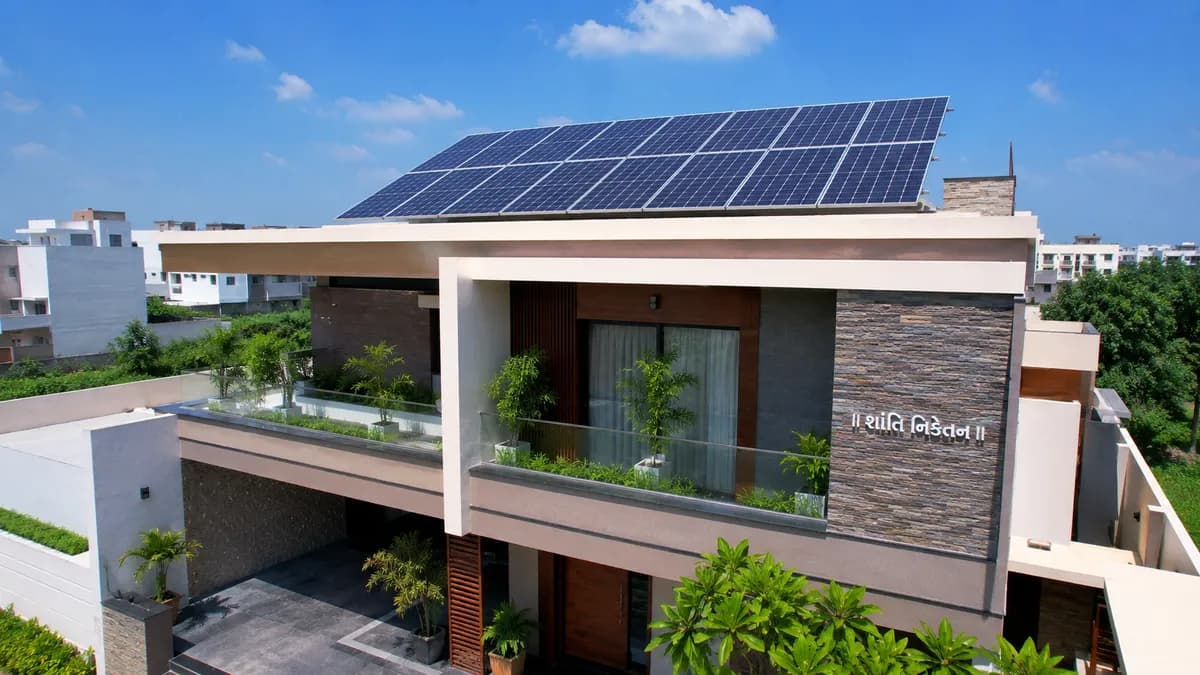
The cost of a solar panel system for home in India typically ranges from ₹55,000 to ₹75,000 per kW before subsidy. A standard 3kW residential solar system may cost between ₹1.8 lakh and ₹2.4 lakh, while a 5kW system can cost ₹2.8 lakh to ₹4 lakh depending on panel technology, inverter type, roof structure, and installation requirements.
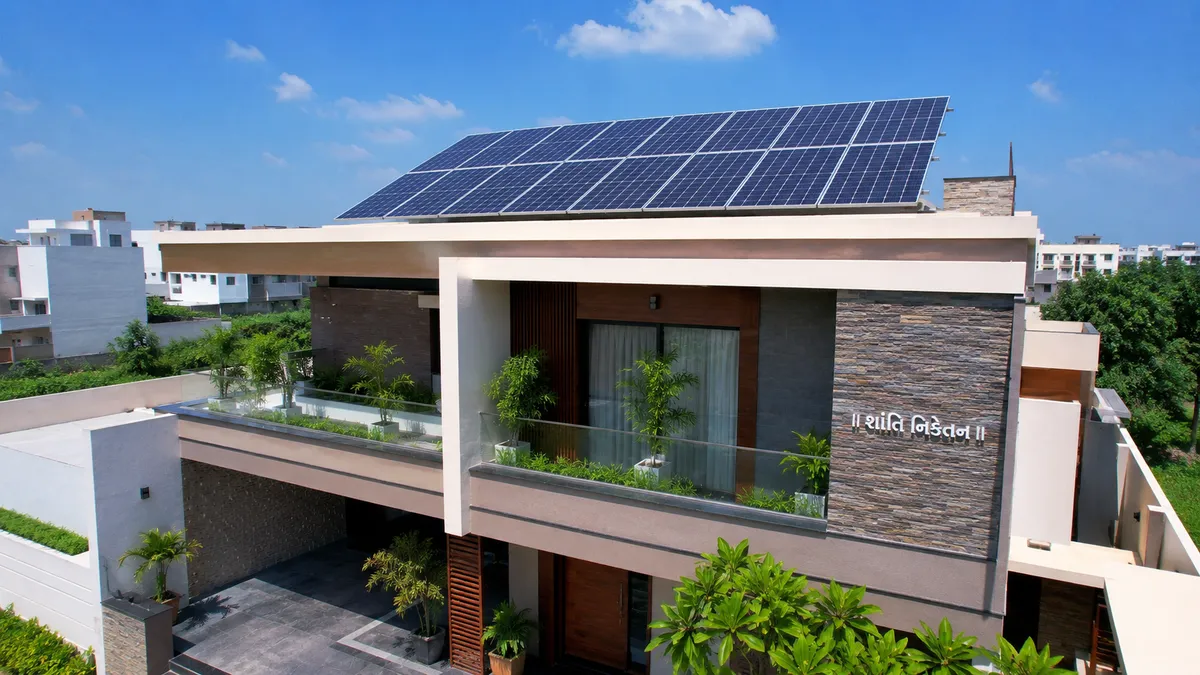
With government subsidies available under the PM Surya Ghar Yojana, homeowners can significantly reduce their upfront investment and recover the system cost within a few years through electricity bill savings.
In this guide, you'll learn:
- Solar panel price for home in India
- Cost breakdown by system size
- Government subsidy details
- Gujarat-specific insights
- Return on investment calculations
- How to choose the right solar system for your home
Why More Indian Homeowners Are Installing Solar Panels
Electricity prices across India continue to rise every year. At the same time, solar technology has become more affordable, efficient, and accessible.
Homeowners are increasingly choosing rooftop solar because it offers:
- Lower electricity bills
- Protection from tariff increases
- Government subsidies
- Increased property value
- Clean and renewable energy
- Long-term savings for 25+ years
For many families, rooftop solar has become one of the best long-term investments available today.
Solar Panel for Home Cost in India (2025)
The cost of a residential solar system depends primarily on system size.
Solar System Cost by Capacity
| System Size | Approximate Cost Before Subsidy | Suitable Monthly Electricity Bill |
| 2kW | ₹1.1 Lakh – ₹1.5 Lakh | ₹2,000 – ₹3,000 |
| 3kW | ₹1.8 Lakh – ₹2.4 Lakh | ₹3,000 – ₹5,000 |
| 5kW | ₹2.8 Lakh – ₹4 Lakh | ₹5,000 – ₹8,000 |
| 10kW | ₹5.5 Lakh – ₹7.5 Lakh | ₹10,000+ |
The actual solar panel for home cost in India depends on:
- Solar panel brand
- Panel efficiency
- Inverter quality
- Roof type
- Installation complexity
- Location
- Net metering requirements
Solar Panel Price for Home: Complete Cost Breakdown
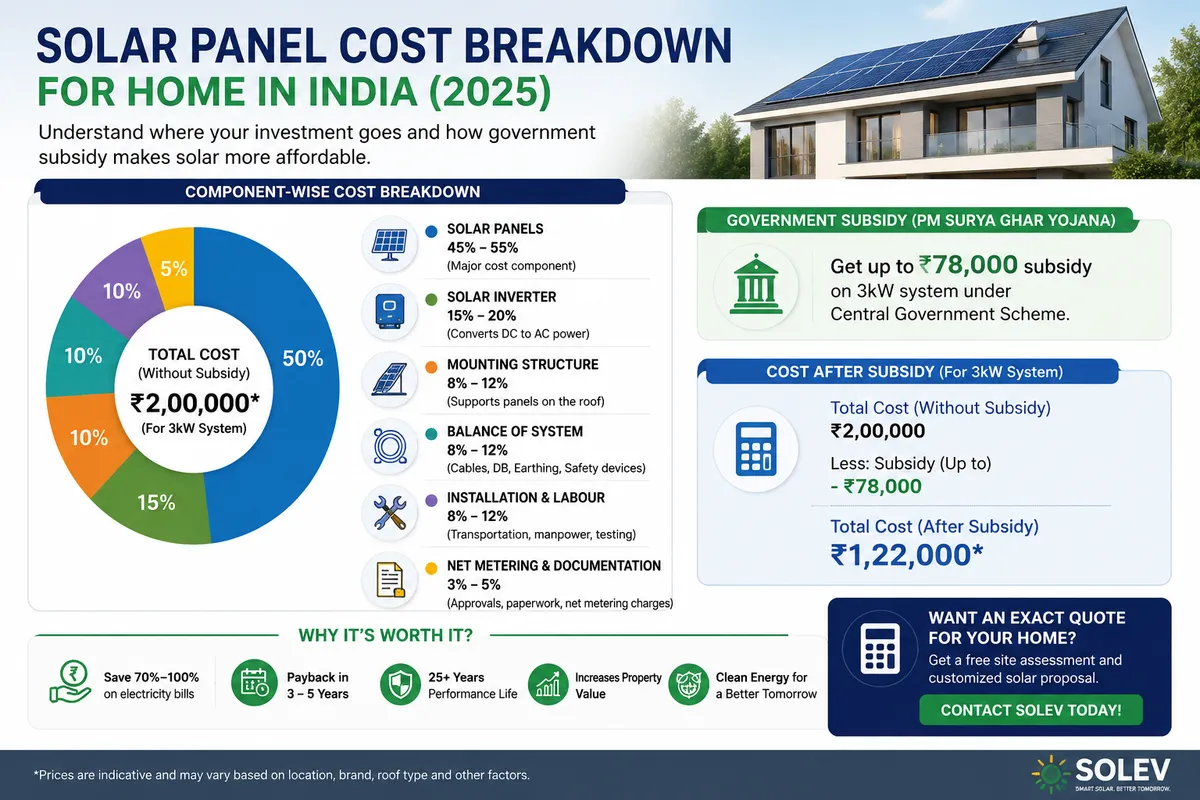
Many homeowners believe solar cost is only about panels. In reality, a solar power system includes several components.
Solar Panels
Solar panels typically account for 45–60% of the total project cost.
Popular technologies include:
- Mono PERC Panels
- TOPCon Panels
- Bifacial Panels
TOPCon panels are becoming increasingly popular because of their higher efficiency and better performance in Indian weather conditions.
Solar Inverter
The inverter converts solar-generated DC electricity into usable AC electricity.
Types include:
- String Inverter
- Micro Inverter
- Hybrid Inverter
Inverter quality significantly impacts system performance and long-term reliability.
Mounting Structure
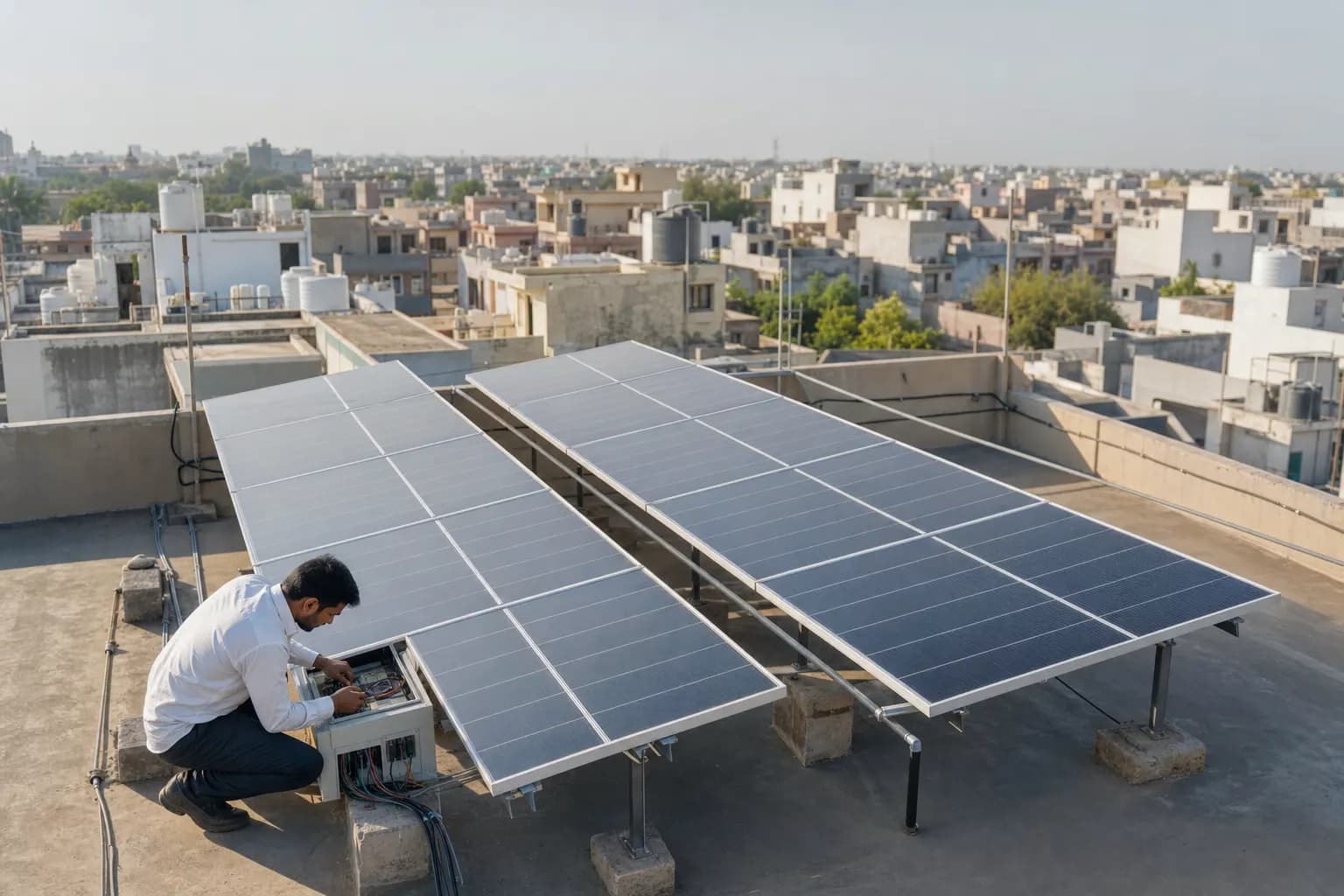
The structure supports solar panels on the roof and must withstand wind, rain, and harsh weather conditions.
Installation & Electrical Components
This includes:
- Wiring
- Junction boxes
- Earthing
- Safety devices
- Installation labor
Net Metering
Net metering allows homeowners to export excess solar power to the electricity grid and receive credits against their electricity bill.
Government Subsidy for Solar Panels for Home
One of the biggest reasons behind the rapid growth of rooftop solar adoption is the availability of government support.
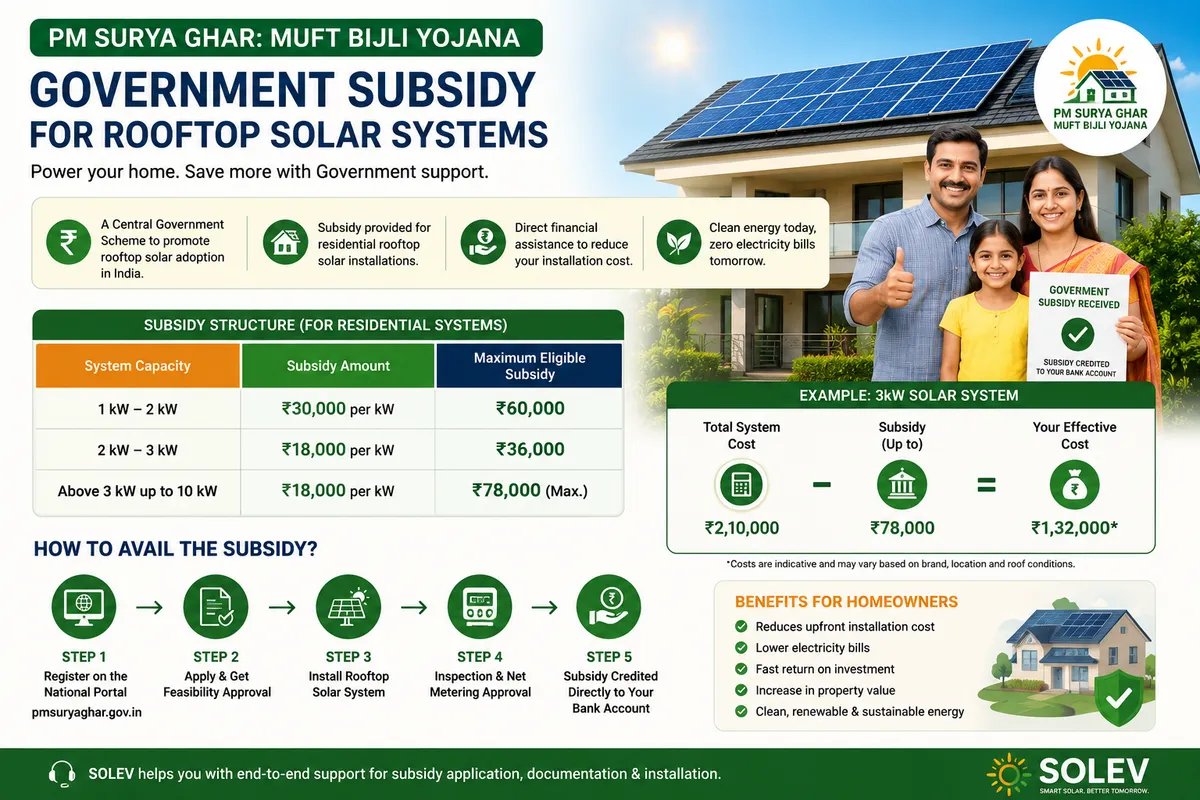
PM Surya Ghar Muft Bijli Yojana
The Government of India launched PM Surya Ghar Muft Bijli Yojana to encourage residential rooftop solar installations.
The scheme aims to support millions of Indian households with rooftop solar systems and reduce electricity expenses.
Benefits of Solar Subsidy
The subsidy helps:
- Reduce upfront investment
- Improve ROI
- Accelerate payback period
- Increase adoption of clean energy
Eligibility Criteria
To qualify for subsidy:
- Applicant must own the residential property.
- The rooftop should be suitable for solar installation.
- Installation must be completed through approved vendors.
- Net metering approval must be obtained.
Documents Required
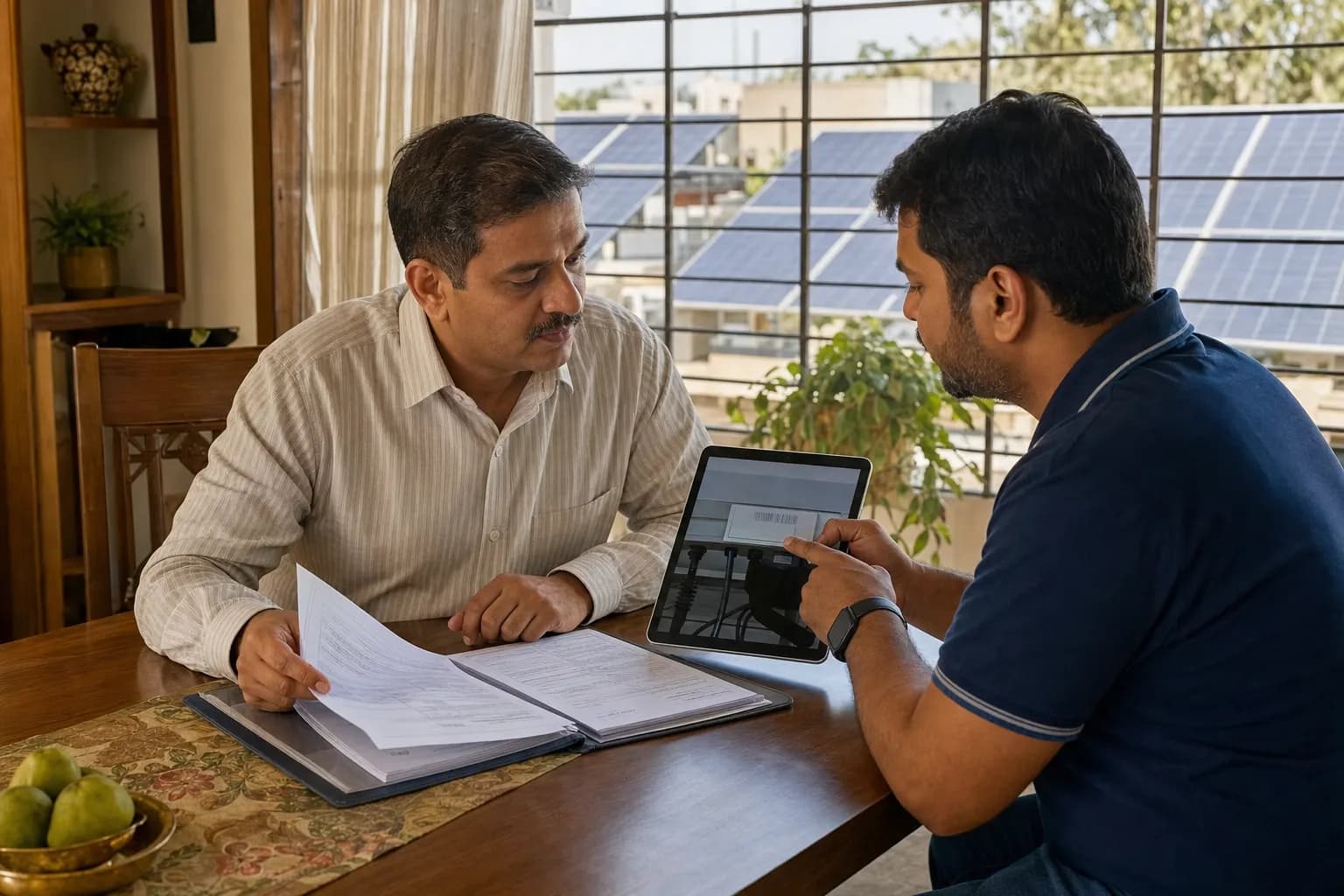
Typically, homeowners require:
- Aadhaar Card
- Electricity Bill
- Bank Account Details
- Property Ownership Documents
- Mobile Number
How to Apply
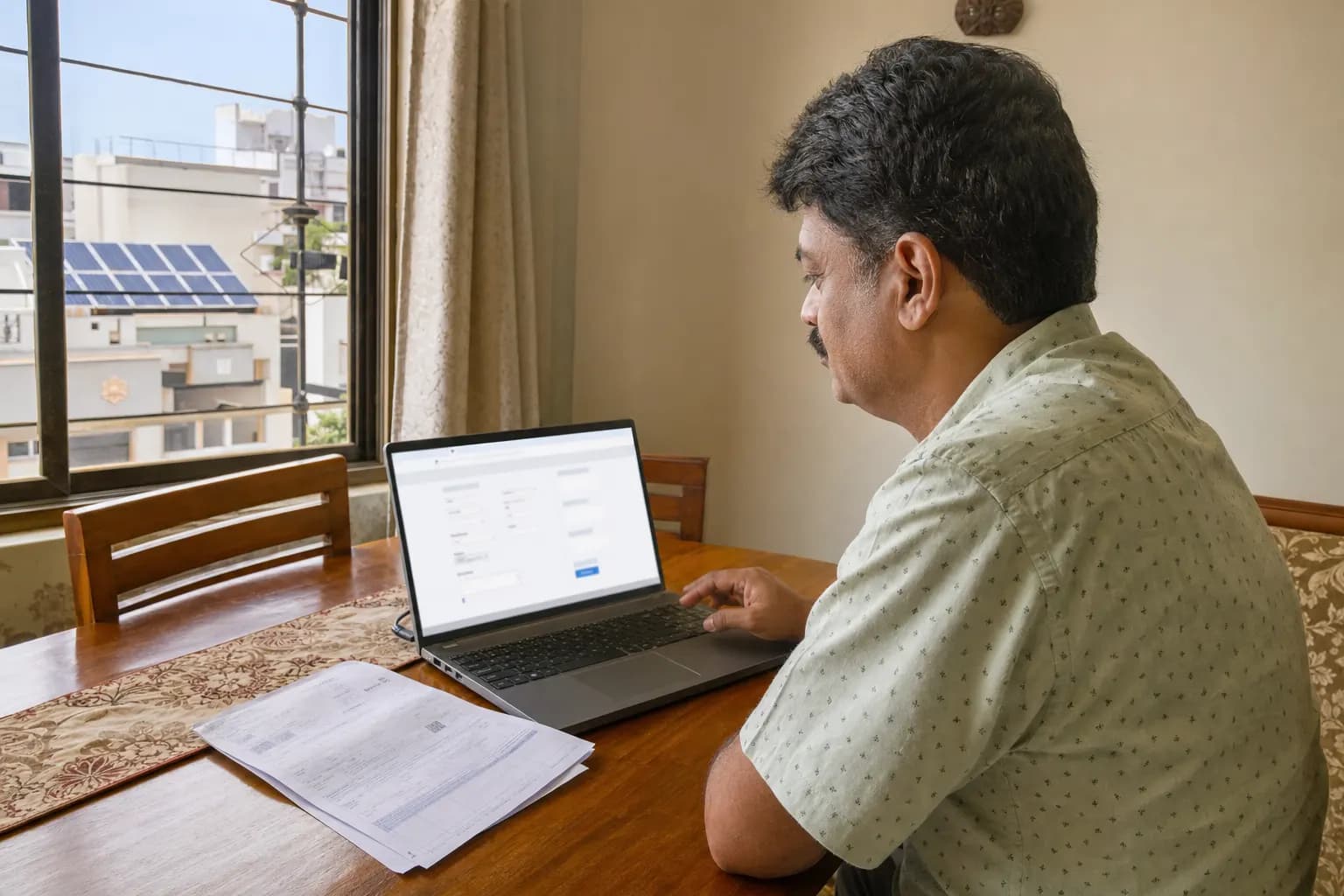
- Register on the official rooftop solar portal.
- Submit required documents.
- Obtain technical approval.
- Install the solar system.
- Complete inspection and net metering.
- Receive subsidy directly into your bank account.
Solar Panel Cost in Gujarat
Gujarat is one of India's most solar-friendly states due to:
- High solar irradiation
- Strong policy support
- Widespread rooftop solar adoption
- Efficient net metering mechanisms
Solar panel cost in Ahmedabad
Average residential installations:
- 3kW costs ₹1.8 Lakh – ₹2.4 Lakh
- 5kW costs ₹2.8 Lakh – ₹4 Lakh
- 10kW costs ₹5.5 Lakh – ₹7.5 Lakh
Typical savings range from ₹2,500 to ₹8,000 per month depending on consumption.
Solar panel cost in Surat
With rising residential electricity consumption, solar adoption is increasing rapidly among independent homeowners and societies.
Average residential installations:
- 3kW costs ₹1.8 Lakh – ₹2.4 Lakh
- 5kW costs ₹2.8 Lakh – ₹4 Lakh
- 10kW costs ₹5.5 Lakh – ₹7.5 Lakh
Solar panel cost in Rajkot
High solar generation potential makes rooftop solar highly attractive for homeowners.
Average residential installations:
- 3kW costs ₹1.8 Lakh – ₹2.4 Lakh
- 5kW costs ₹2.8 Lakh – ₹4 Lakh
- 10kW costs ₹5.5 Lakh – ₹7.5 Lakh
Solar panel cost in Vadodara
Residential solar installations continue to grow due to increasing electricity tariffs and awareness.
Average residential installations:
- 3kW costs ₹1.8 Lakh – ₹2.4 Lakh
- 5kW costs ₹2.8 Lakh – ₹4 Lakh
- 10kW costs ₹5.5 Lakh – ₹7.5 Lakh
Solar panel cost in Gandhinagar
Government-supported renewable energy initiatives have accelerated rooftop solar adoption among households.
Average residential installations:
- 3kW costs ₹1.8 Lakh – ₹2.4 Lakh
- 5kW costs ₹2.8 Lakh – ₹4 Lakh
- 10kW costs ₹5.5 Lakh – ₹7.5 Lakh
How Much Can You Save with Solar?
The biggest question homeowners ask is:
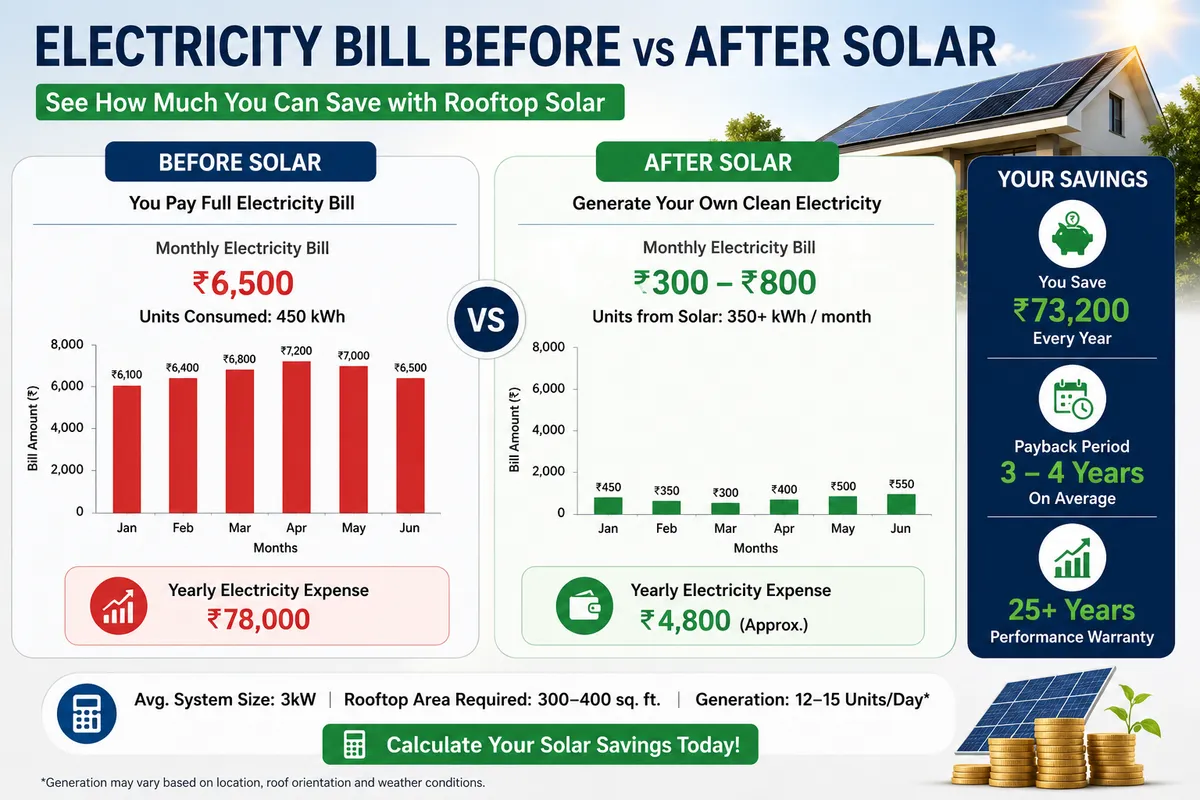
"How much money will I actually save?" The answer depends on your electricity consumption and system size.
Estimated Annual Savings
| System Size | Approximate Annual Savings |
| 1kW | ₹10,000 – ₹15,000 |
| 2kW | ₹20,000 – ₹30,000 |
| 3kW | ₹30,000 – ₹45,000 |
| 5kW | ₹50,000 – ₹75,000 |
| 10kW | ₹1 Lakh+ |
Example: 3kW Solar System
Monthly Bill: ₹4,000 Solar System Cost: ₹2,00,000 Estimated Subsidy: Applicable as per current government guidelines Net Cost After Subsidy: Lower effective investment Annual Savings: ₹35,000+ Estimated Payback Period: 3–5 Years System Life: 25+ Years After recovering the initial investment, homeowners continue generating savings for decades.
Which Solar System Size Is Right for Your Home?
1kW Solar System
Suitable for:
- Small homes
- Low electricity usage
Roof Area Required:
Approximately 100 sq. ft.
2kW Solar System
Suitable for:
- Small families
- Moderate consumption
Roof Area Required:
Approximately 200 sq. ft.
3kW Solar System
Suitable for:
- Average Indian households
- Monthly bill of ₹3,000–₹5,000
Roof Area Required:
Approximately 300 sq. ft.
5kW Solar System
Suitable for:
- Larger homes
- AC usage
- Monthly bill of ₹5,000–₹8,000
Roof Area Required:
Approximately 500 sq. ft.
10kW Solar System
Suitable for:
- Villas
- Bungalows
- High electricity consumption
Roof Area Required:
Approximately 900–1,000 sq. ft.
Best Solar Panels for Home in India
Choosing the right solar panel technology is critical.
Mono PERC Panels
Advantages:
- Proven technology
- Affordable
- Good efficiency
TOPCon Panels
Advantages:
- Higher efficiency
- Better low-light performance
- Lower degradation
TOPCon is increasingly becoming the preferred choice for residential installations.
Bifacial Solar Panels
Advantages:
- Higher energy generation
- Improved long-term output
Suitable for specific installation conditions.
How to Choose a Residential Solar Installation Company
Not all solar companies offer the same quality of service.
Before selecting an installer, consider:
Experience
Choose companies with a strong installation track record.
Product Quality
Use Tier-1 solar panels and reputed inverter brands.
Warranty Support
Look for:
- Product warranty
- Performance warranty
- Installation warranty
Subsidy Assistance
The installer should assist with documentation and subsidy applications.
Net Metering Support
A reliable solar company should handle the complete approval process.
Why Homeowners in Gujarat Choose SOLEV
SOLEV helps homeowners simplify the entire solar journey.
Our residential solar solutions include:
- Free solar consultation
- Site survey
- Customized solar design
- Tier-1 solar panels
- Professional installation
- Net metering assistance
- Government subsidy support
- After-sales service
Whether you're planning a 3kW rooftop solar system or a larger residential installation, SOLEV helps you maximize savings and long-term returns.
Get a Free Solar Cost Estimate
Want to know exactly how much a solar system will cost for your home?
Our experts can help you determine:
- Ideal solar system size
- Estimated project cost
- Government subsidy eligibility
- Monthly savings
- Payback period
- Roof suitability
Request Your Free Solar Consultation Today
Get a customized solar proposal and discover how much you can save with rooftop solar.
Frequently Asked Questions
How much does a solar panel for home cost in India?
The cost typically ranges from ₹55,000 for a 1kW system to ₹7.5 lakh for a 10kW system depending on system size, panel technology, and installation requirements.
What is the government subsidy for solar panels for home?
Eligible homeowners can receive financial assistance under the PM Surya Ghar rooftop solar scheme, reducing the overall installation cost.
Is solar worth it for homes in Gujarat?
Yes. Gujarat receives excellent sunlight throughout the year, making rooftop solar one of the most profitable home investments.
How much roof area is required for solar panels?
Approximate roof area requirements:
- 1kW → 100 sq. ft.
- 3kW → 300 sq. ft.
- 5kW → 500 sq. ft.
How much can I save with solar panels?
Most homeowners can reduce electricity bills by 70–100%, depending on system size and consumption.
Which solar panel is best for home use?
TOPCon and Mono PERC panels currently offer the best balance of efficiency, reliability, and long-term performance.
How long do solar panels last?
Most high-quality solar panels have a lifespan of 25–30 years with minimal performance degradation.
Can I run an air conditioner on solar power?
Yes. A properly designed rooftop solar system can power air conditioners and other household appliances effectively.